
Bra Size Calculator
This calculator estimates bra size based on bust size and band size (frame size). To ensure accuracy, measure to the nearest ¼ inch or ½ cm. This calculator provides results for the United States, the United Kingdom, European Union, France, Belgium, Spain, Australia, and New Zealand.

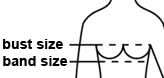 |
The bust size is the loose circumference measured around the chest over the fullest part of the breasts, while standing straight with arms to the side, and wearing a properly fitted bra.
The band or frame size is the firm circumference, fitted not tightly, measured directly underneath the breasts.
Bra Size Converter
Use the following to convert the bra sizes between different locations.
Bra Size Calculator: Get a More Reliable Starting Size From Better Measurements
Use a bra size calculator as a starting estimate, not a final answer: measure a snug underbust, measure the fullest bust without compressing tissue, then compare the two to generate a band estimate and a cup estimate. The biggest mistake is assuming the calculator fails when the fit feels wrong; more often, the input method, breast shape, or bra style is the hidden variable. If you want a result that is actually useful, focus far more on measurement consistency and fit symptoms than on chasing a single “correct” label.
Enter Measurements That Reduce Error, Not Just Numbers That Look Precise
A bra size calculator works by combining two body measurements into a size estimate. In simplified form, the logic is:
U = underbust measurementB = fullest bust measurementBand estimate = function(U)Cup estimate = function(B - reference(U))
The exact output depends on the sizing system the calculator is built for, but the principle is the same: the band is anchored by the ribcage, and the cup is inferred from the difference between bust fullness and that base measurement.
That sounds straightforward. The non-obvious problem is that the calculator is only as good as the way the tape was used. A small change in tape tension around the ribcage can alter the result more than a careful bust measurement ever will. Band size drives support, so a distorted underbust input can send the entire calculation off course even when the bust number is accurate.
Use these measurement inputs deliberately:
| Input | How to take it | Why it matters most |
|---|---|---|
| Underbust snug | Tape level around the ribcage, firm but not painful | Sets the support base; bad input here distorts the whole result |
| Underbust relaxed | Same position with lighter tension | Helps judge how compressible the ribcage feels |
| Fullest bust | Tape around the fullest point without flattening tissue | Estimates cup volume, but shape can still change fit |
| Body posture | Stand naturally, shoulders neutral | Prevents false tightness or false fullness |
| Current bra status | Measure braless or in a non-padded, non-compressive bra | Padding and compression can skew the bust number |
A practical calculator workflow is:
- Measure the underbust twice: once snug, once again to confirm consistency.
- Measure the fullest bust while keeping the tape level.
- Enter the numbers exactly as taken, without rounding them to “nicer” values unless the calculator requires it.
- Treat the result as a starting size to test, not as proof that every other size is wrong.
A useful shortcut: if your underbust measurement changes depending on how hard you pull the tape, pause and repeat before trusting any result. That instability usually matters more than tiny bust differences.
Another hidden variable is breast distribution. Two people with the same bust and underbust numbers can need different bras because fullness can be projected, shallow, upper-full, lower-full, wide-set, or center-full. A calculator does not see shape. It sees circumference only. That means the output can be mathematically consistent and still fail in the cup, wire width, or gore.
Use a visual checkpoint while measuring:
If you are between values, do not automatically choose the larger cup or larger band. The better decision depends on what feels unstable. Loose support points to the band. Overflow, cutting, or empty upper cup points to cup volume or cup shape. That distinction saves more time than remeasuring endlessly.
Read the Result Like a Fit Diagnostic, Not a Permanent Identity
Once the calculator gives a size, the next job is interpretation. The output is not a body verdict. It is a fit hypothesis: “start here, then observe what the bra does.” That framing matters because many people reject a useful calculator result simply because the label looks unfamiliar. The label matters less than the behavior of the bra on the body.
A better way to use the result is to test it against fit signals. If the band rides up, the support base is likely too loose even if the cups look acceptable. If the center front does not sit close to the body, the issue may be cup volume, cup shape, or both. If the wires sit on breast tissue, the calculator may have underestimated cup depth or the bra style may be too narrow for your shape. This is where calculators stop and fit judgment begins.
Use the first try-on as a diagnostic screen:
| Fit symptom | More likely issue | Better next move |
|---|---|---|
| Band rides up | Band too loose | Recheck underbust input and test a firmer band option |
| Band feels painfully tight everywhere | Band too firm or cups too small | Check whether cup restriction is creating false band tightness |
| Tissue spills over the cup edge | Cup volume or cup shape mismatch | Test more volume or a different cup shape |
| Cup wrinkles or gaps | Cup too large or shape mismatch | Test less volume or a style with different upper-cup structure |
| Straps dig in to create support | Band not carrying enough load | Fix band fit before blaming the straps |
| Center front floats away | Cup issue, shape issue, or wrong style | Reassess cup estimate and bra construction |
One non-obvious trade-off: chasing comfort by going looser in the band often creates a worse result later. The bra may feel easier at first, but support shifts into the straps and shoulder area. If the calculator’s output feels unexpectedly firm, that does not automatically mean it is wrong. It may mean you are comparing it to a worn-out bra or to a size chosen for softness rather than support.
Another shortcut people miss: cup letters are not absolute volume identities. Cup volume changes relative to the band framework used by the calculator. That is why a person can feel “too small in the cup” in one size but still not need a dramatically different bra overall. Sometimes the real adjustment is proportional: change the band direction you need, then compensate cup volume accordingly within the same overall fit family. A good calculator gives the first anchor, but the try-on tells you which variable needs to move.
Style sensitivity matters more than many users expect. A soft-cup bra, molded cup, plunge, balconette, and sports bra can all react differently to the same calculator result because the pattern distributes volume differently. If your measured size works in one style and fails in another, that is not proof your measurement was wrong. It often means the bra construction is asking for a different shape match.
Use this testing sequence after getting a calculator result:
- Try the estimated size in a bra style close to your actual use case.
- Evaluate the band first, because support starts there.
- Evaluate cup containment and wire placement second.
- Adjust one variable at a time so you know what changed the fit.
- Save the result as your current starting point, not your universal size.
That last step is worth stressing. Bodies fluctuate. Bra materials stretch. Different brands and patterns translate the same body differently. The calculator is most useful when it gives you a fast, rational starting point you can refine with evidence.
Change Your Process, Not Just Your Size
Stop treating bra sizing as a search for one permanent label and start treating it as a controlled fitting process. Measure the underbust carefully, test the calculator’s result in the bra style you actually plan to wear, and use fit symptoms to decide whether the next adjustment belongs in the band, the cup, or the bra shape itself. That single shift turns the calculator from a frustrating guess generator into a practical decision tool.
Disclaimer
This content is for informational and fit-estimation purposes only. A bra size calculator cannot assess anatomy, tissue sensitivity, pain, posture, or medical concerns; if bra fit is causing discomfort, skin issues, breathing restriction, or persistent pain, seek guidance from a qualified fitter or healthcare professional.